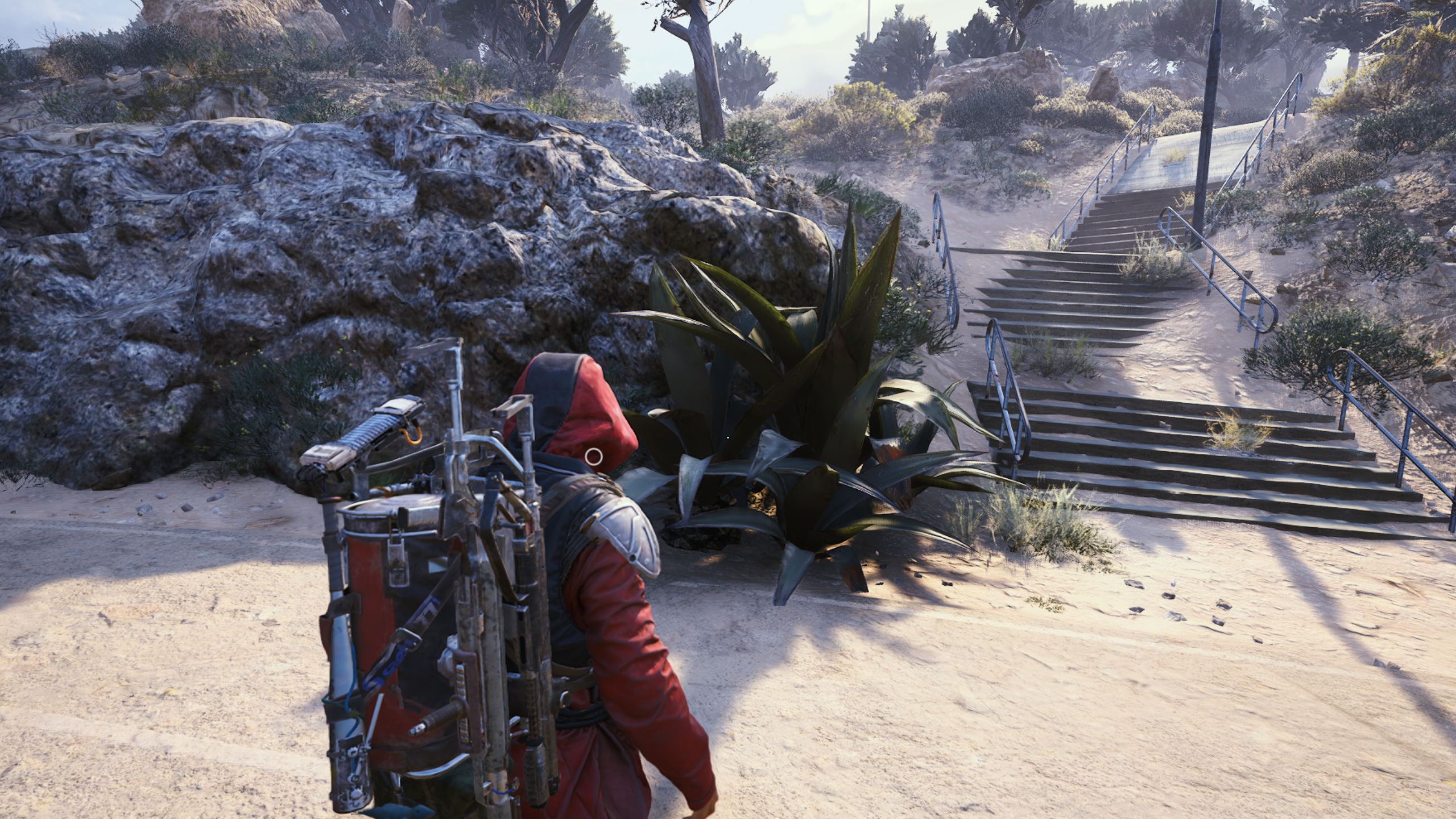
The gaming landscape is ever-evolving, and as developers, we constantly seek to create immersive experiences that resonate with players. In the realm of Arc Raiders, a dynamic co-op shooter, the introduction of resources like Agave isn't merely a design choice; it’s a strategic element that shapes player interaction and the overall crafting system. Understanding how to effectively integrate such resources can provide insights into player motivation and engagement, which are crucial in today's competitive market.
In Arc Raiders, Agave stands out as a forageable resource that players encounter during their adventures. While it may not be the most glamorous or sought-after material, its role in crafting cannot be overstated. Players can utilize Agave to create essential items and upgrades that enhance their gameplay experience. The developers have designed the game to encourage exploration and resource management, making every forageable, including Agave, significant in its own right. The challenge lies in making Agave appealing enough for players to seek it out while balancing its utility with the scarcity of more desirable resources.
Players may find Agave frustrating due to its perceived low value compared to other crafting materials. However, this sentiment opens a dialogue about resource diversity in game design. Developers must consider the psychological aspects of resource allocation: how players prioritize certain items over others and how that can drive their gameplay decisions. In Arc Raiders, the team has crafted a world where even the least favorite forageable can be part of a larger strategy, compelling players to engage with the entirety of the ecosystem.
Looking at the broader AI-driven game development landscape, the integration of such resources reflects a trend toward creating more complex, interconnected systems. Games are moving away from linear experiences and toward dynamic worlds where players' choices significantly impact their journey. This shift is partly driven by advancements in AI, which allow for more sophisticated environmental interactions and resource generation. As players navigate the intricacies of resource management, the role of AI in balancing these elements becomes increasingly important, shaping how players experience the game.
CuraFeed Take: The inclusion of Agave in Arc Raiders is more than just a nod to crafting; it’s a statement on player agency and the value of even the most mundane resources. Developers should take note: every item in a game can serve a purpose, and even the least favored can foster deeper engagement if positioned correctly. As we look ahead, keep an eye on how future titles manage resource diversity and player perception—this will undoubtedly shape the next generation of immersive gameplay experiences. Watch for innovations in AI that further refine how resources are implemented and perceived, ensuring that every aspect of a game contributes to a rich and rewarding player journey.