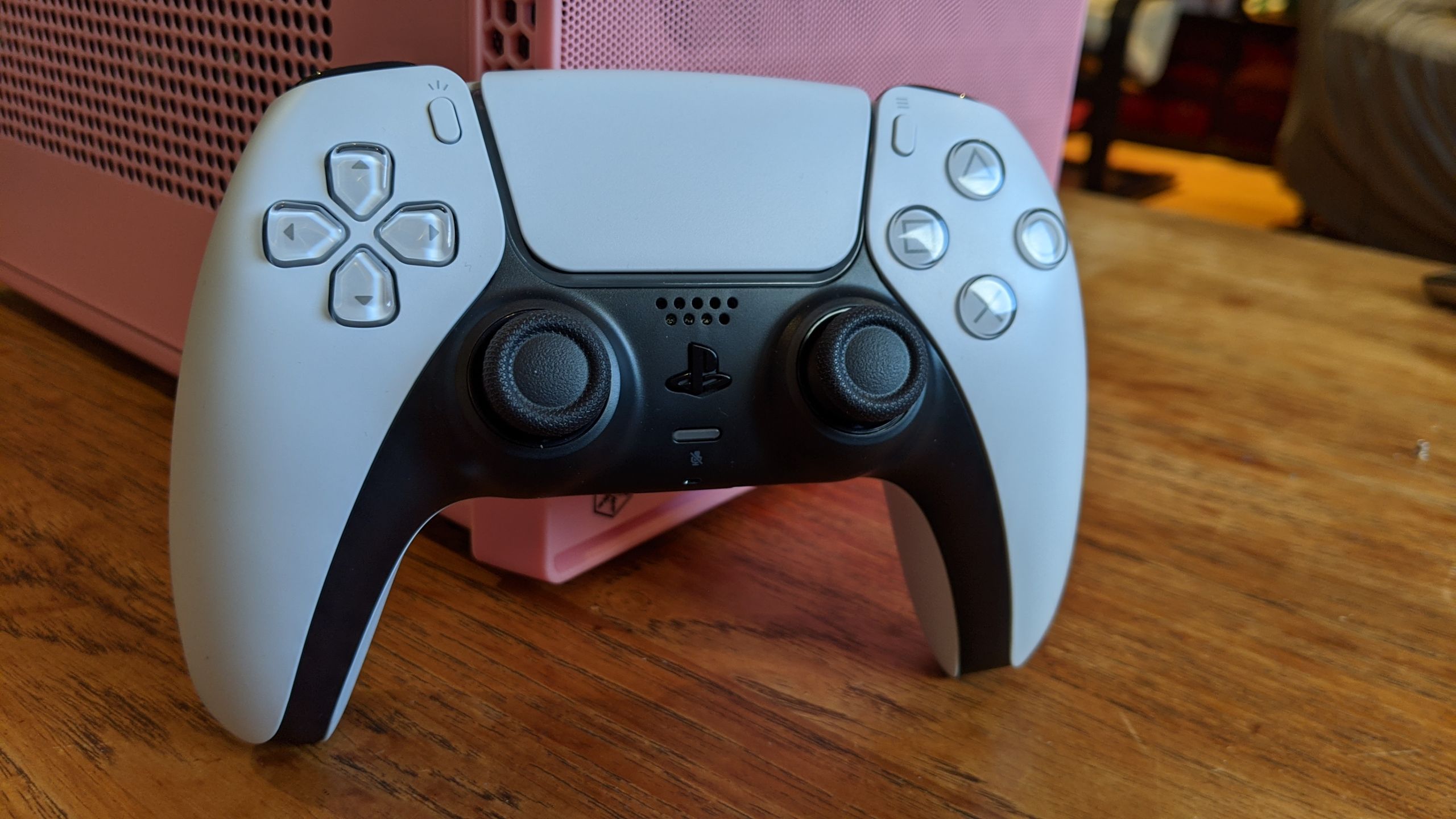
As game developers continue to push the boundaries of immersive gameplay, the tools we use to interact with our creations are evolving rapidly. One of the latest innovations is a Raspberry Pi-based dongle that unlocks the full potential of the Sony DualSense controller on PC, enabling not just basic functionality, but also advanced features like haptics and adaptive triggers. This is particularly exciting for those of us keen on delivering the most engaging player experiences possible, especially as we strive to harness the unique capabilities of modern hardware.
The development of this dongle is spearheaded by a community of passionate hobbyists and engineers who identified limitations with standard Bluetooth connections, particularly regarding latency and the ability to utilize the controller's advanced features. By utilizing Raspberry Pi's flexibility and processing power, they have created a solution that not only minimizes latency but also allows for full integration of the DualSense's capabilities. This means that developers can now experiment with more dynamic feedback systems in their games, providing players with a richer interaction model that was previously difficult to achieve on PC.
In terms of technical specifics, the dongle operates by leveraging the Raspberry Pi’s GPIO pins to directly interface with the DualSense controller, effectively translating its signals into something that a PC can understand without the typical bottlenecks associated with generic Bluetooth dongles. This homebrew solution supports the controller's advanced haptic feedback, which has been a game-changer for PlayStation titles, allowing for nuanced vibrations that correspond to in-game actions. Imagine the potential of incorporating such detailed feedback into your PC games, enhancing player immersion in ways that were once limited to console experiences.
Furthermore, this development comes at a time when many gamers are seeking more responsive and tactile experiences in their gameplay. With the rise of competitive gaming, developers are under pressure to ensure that every action feels fluid and immediate. The reduced latency offered by this Raspberry Pi dongle could be the difference between a win and a loss in fast-paced scenarios, making it an invaluable tool for competitive titles. Additionally, the ability to harness the DualSense’s adaptive triggers opens up new avenues for gameplay mechanics, allowing developers to create more engaging and interactive game environments.
In the broader context of the gaming industry, this innovation represents a growing trend towards leveraging affordable, customizable hardware for game development. As more developers look for ways to enhance gameplay experiences without relying solely on expensive commercial solutions, homebrew projects like this one will likely become increasingly popular. The integration of advanced controller features into PC gaming is a significant step forward, particularly as the lines between console and PC gaming continue to blur.
CuraFeed Take: This Raspberry Pi dongle could shift the landscape for PC game developers, especially those looking to create more immersive experiences that utilize the full suite of the DualSense controller’s capabilities. As this technology gains traction, we may see a wave of innovations that leverage haptic feedback and adaptive triggers, pushing the envelope of player engagement. Developers should keep a close eye on this trend, as it could redefine expectations for controller performance in PC gaming, and prompt further advancements in input device technology.