In today’s rapidly evolving technological landscape, the convergence of robotics and gaming is not just a novelty; it’s a potential game changer. With the advent of more sophisticated robotic systems, the gaming industry stands on the brink of a transformation that could redefine player engagement and interaction. As AI and robotics continue to intertwine, the question arises: how will these innovations influence the future of gaming?
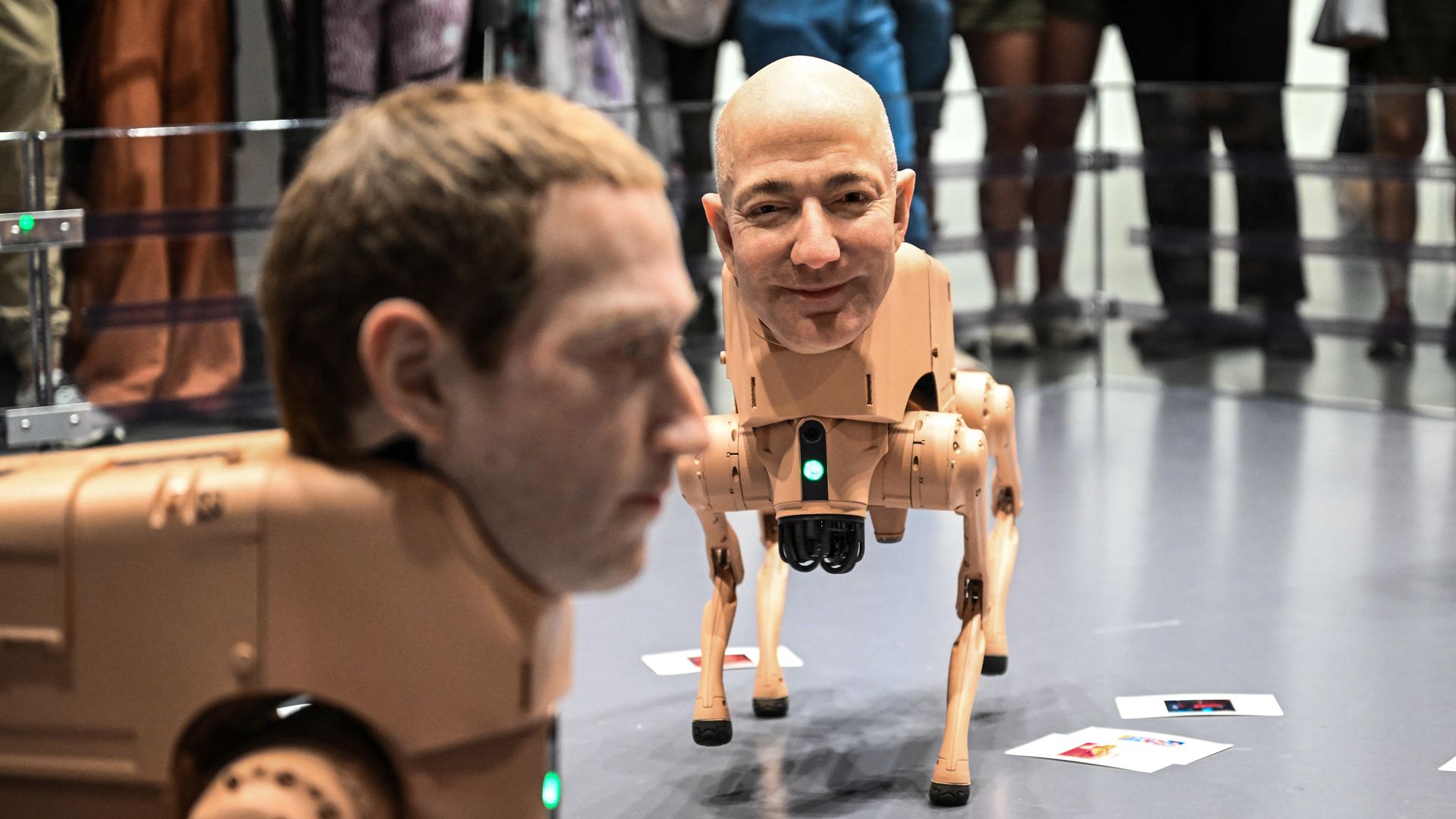
Recently, various robotic prototypes have emerged, showcasing capabilities that extend beyond traditional applications. Some of these robots are designed to engage in activities that resonate with gaming culture, such as ping pong, while others are experimenting with unconventional outputs, like generating NFTs. Companies like Boston Dynamics and others are at the forefront of this robotic revolution, pushing the boundaries of what machines can accomplish. The implications for gaming are profound; as robots become more integrated into everyday experiences, they could serve as interactive companions or adversaries in gaming environments, enhancing immersion and player agency.
Moreover, the integration of robotics into gaming could lead to new revenue streams and business models. Think of a scenario where players can interact with a physical robot while playing a video game, creating a hybrid experience that blends digital and physical worlds. This could attract a broader audience, including those who may not traditionally engage with video games. With the potential for gamified learning and social interaction, the possibilities are endless. However, this also raises questions about market readiness and the balance between technological advancement and player experience.
In the broader context, the rise of robotics is part of a larger AI landscape that continues to evolve. Gaming companies are increasingly exploring AI-driven solutions to enhance gameplay, from procedural generation of game content to advanced NPC behavior. As these technologies mature, industry leaders must consider how to leverage them effectively while also addressing ethical considerations and potential backlash from consumers wary of automation. The integration of physical robots into the gaming sphere could either complement or complicate these trends.
CuraFeed Take: The intersection of robotics and gaming presents both exciting opportunities and significant challenges. On one hand, companies that successfully harness these innovations could redefine player experiences, creating markets for interactive robotic companions. On the other hand, those that fail to navigate the complexities of this integration may risk alienating their customer base. As we look ahead, industry professionals should monitor developments in robotics closely, not just for competitive advantage but to anticipate shifts in consumer expectations and engagement strategies.