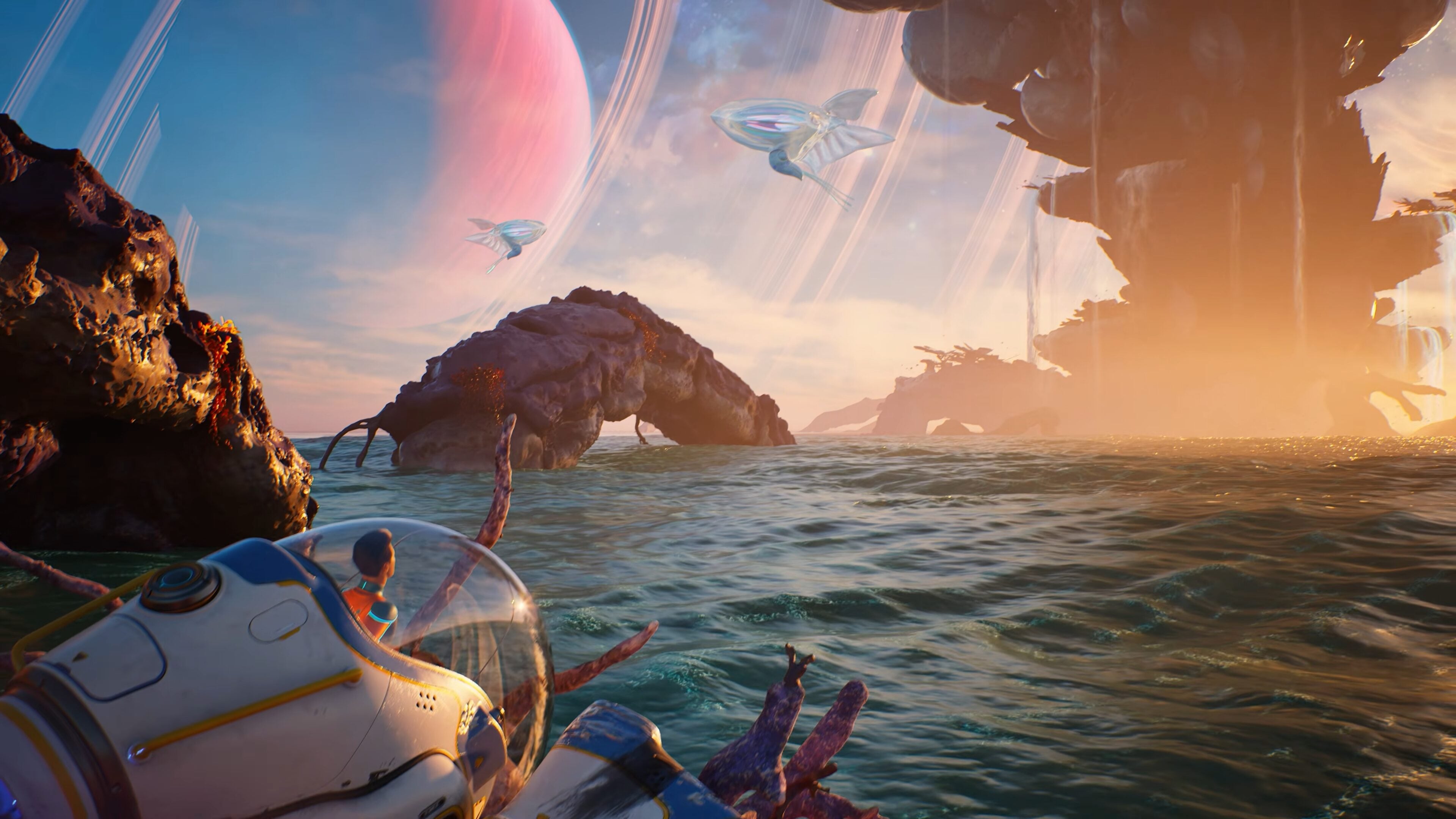
The gaming industry is currently abuzz with anticipation as Subnautica 2 gears up for its early access launch in May. This launch represents not just another entry in the beloved survival genre, but also a critical moment for developers and studios navigating the complexities of legal disputes and personnel changes. As game developers, we understand that behind every title lies a myriad of challenges that can shape a game's development trajectory, and the latest news from the Subnautica team exemplifies this reality.
At the forefront of this situation is Krafton, the publisher who found itself embroiled in a legal battle that led to the firing of key leadership figures within the development team. A recent ruling has mandated Krafton to reinstate these leaders, allowing them to steer the project back on course. This turn of events raises important questions about leadership dynamics in game development, especially in projects with high expectations from both fans and the industry. With the original Subnautica having set a high bar, the new team will be keen to build on its legacy while incorporating fresh ideas and technical innovations.
From a technical standpoint, the developers are likely focusing on optimizing the game engine for better performance, especially given the expansive underwater world that players will explore. The original game was lauded for its impressive visuals and immersive gameplay, powered by a custom engine that allowed for stunning aquatic environments. Early access will provide a crucial platform for gathering player feedback, which is essential for fine-tuning mechanics such as crafting, exploration, and survival elements. As we know, community input during early access phases can lead to pivotal adjustments in game design and functionality.
In the context of the broader gaming landscape, Subnautica 2's early access launch occurs amidst a growing trend of studios leveraging player feedback to refine their titles. As we see more developers embrace this model, the importance of community engagement and transparency cannot be overstated. By involving players in the development process, studios can create a more tailored experience that resonates with their audience. This approach not only fosters a loyal player base but also mitigates risks associated with game launches in an increasingly competitive market.
CuraFeed Take: The reinstatement of the fired leadership team signals a commitment to maintaining the creative vision that made the original Subnautica a hit. For developers, this situation serves as a reminder of the importance of strong leadership and clear communication within teams. As we watch the early access launch unfold, keep an eye on how the team incorporates player feedback into their development cycle — this could be a pivotal moment for the future of game development practices. Overall, the Subnautica franchise has the potential to navigate these turbulent waters and emerge stronger, provided the team leverages the lessons learned from both their past success and recent challenges.