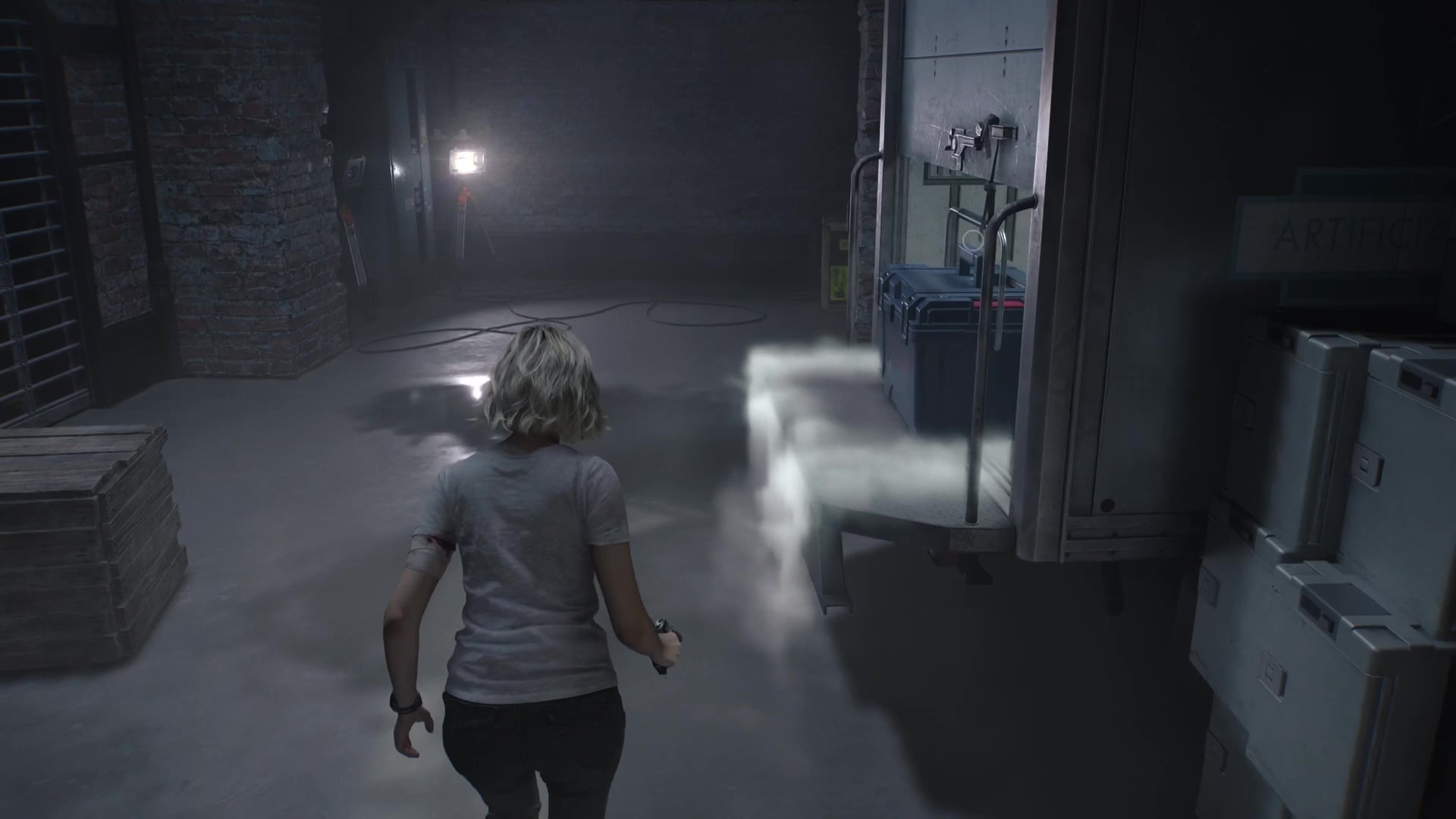
In an era where technological advancements dictate the pace of game development, Housemarque is taking a bold step with their upcoming title, Saros. As game developers, we often find ourselves caught in the tension between prioritizing gameplay and paying homage to artistic design. However, Housemarque's approach could serve as a vital reminder of the importance of aesthetics in creating immersive experiences. The conversation around how we define success in game development is evolving, and Saros is at the forefront of this shift.
Housemarque, known for its visually stunning games that marry frenetic action with deep gameplay mechanics, has turned the development of Saros into an experimental canvas. By leveraging next-gen capabilities, the studio is exploring how visual narratives can enhance player engagement. Utilizing advanced rendering techniques and cutting-edge graphics engines, they aim to create an experience that feels both rich in detail and immersive in gameplay. The incorporation of dynamic lighting and richly textured environments indicates a commitment to not just how the game plays, but how it visually communicates with players.
The tech stack behind Saros is impressive, with Housemarque employing a custom-built engine that allows for real-time rendering of high-fidelity assets. This approach not only optimizes performance but also enhances the game's overall visual storytelling. The development team is focused on refining their tools to ensure that artists have the freedom to explore creative designs without being hindered by technical limitations. This results in a synergy between art and code that is often overlooked in traditional game development pipelines.
In the broader context of the gaming industry, Saros emerges at a time when many developers are grappling with the implications of AI and automation in game design. As studios increasingly turn to algorithms for procedural generation and storytelling, the emphasis on human artistry is at risk of being diluted. Housemarque's intentional focus on aesthetics in Saros stands as a counterpoint to this trend, highlighting the importance of a human touch in creating compelling narratives and engaging worlds.
CuraFeed Take: The release of Saros signals a potential shift in how we prioritize aspects of game development. By demonstrating that aesthetics can enhance gameplay rather than detract from it, Housemarque opens the door for future titles to embrace a more holistic approach to design. Developers should watch closely as Saros unfolds; its success could inspire a new wave of titles that harmonize visual artistry with gameplay mechanics, ultimately reshaping industry standards for next-gen games. As we move forward, it's essential to consider how we can merge technical prowess with creative expression in our own projects, ensuring that our games are not just played, but also felt.