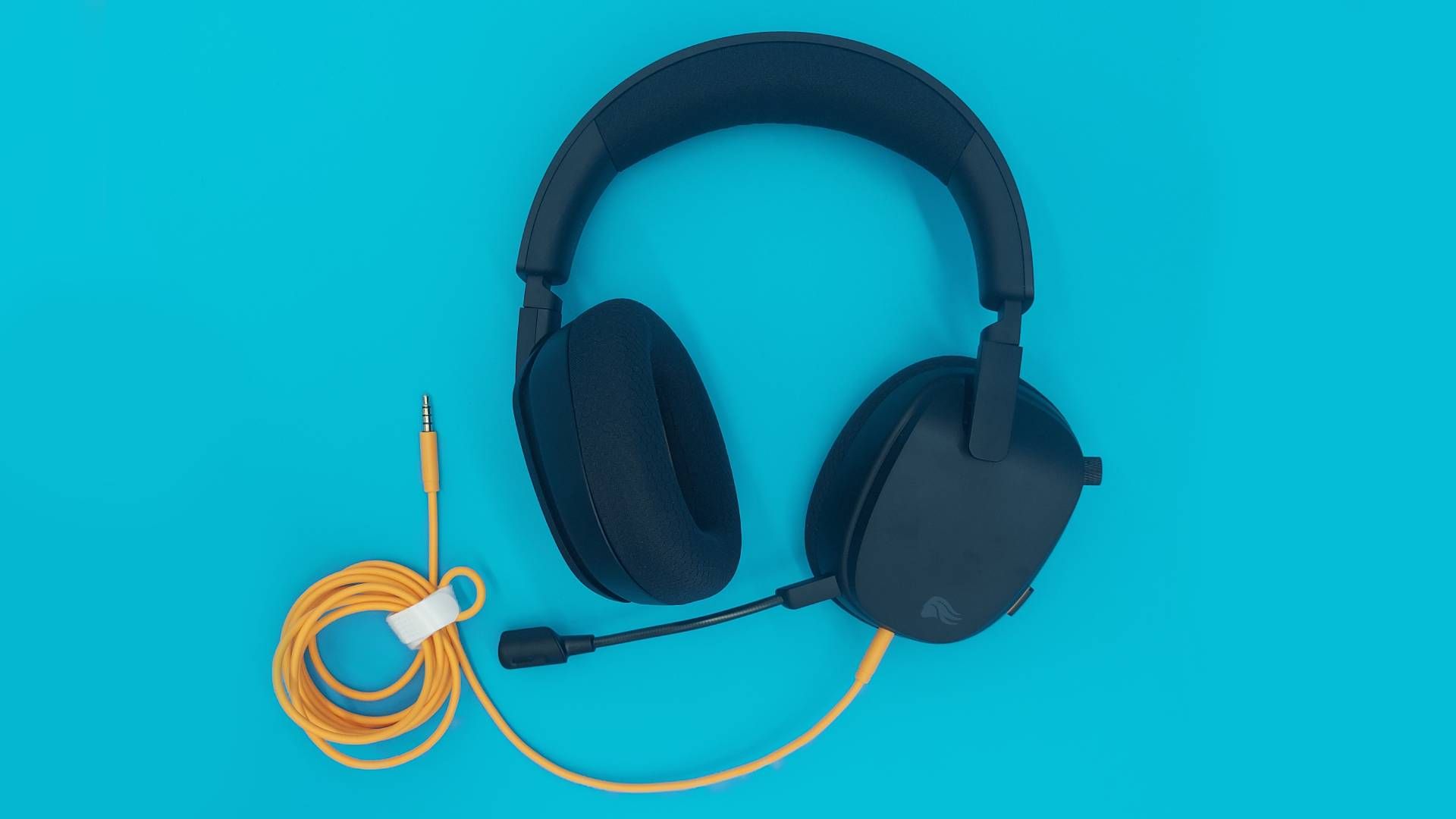
The gaming audio landscape is rapidly evolving, driven by a surge in demand for high-quality headsets that deliver immersive experiences. With an increasing number of gamers seeking premium sound without breaking the bank, the launch of the GHS Eternal headset comes at a critical time. As industry professionals, we must analyze not only the features of this new device but its positioning within a fiercely competitive market filled with budget offerings that threaten to overshadow it.
The GHS Eternal headset is designed to tick all the boxes for discerning gamers, featuring high-fidelity audio, a comfortable fit for long sessions, and an aesthetically pleasing design. The headset boasts advanced sound drivers that promise clarity and depth across a range of frequencies, catering to gamers who prioritize realistic audio cues in competitive play. Additionally, the ergonomic design ensures comfort for hours of wear, positioning it as a contender for casual and professional gamers alike.
However, despite these noteworthy features, the GHS Eternal faces stiff competition from budget-friendly alternatives that outperform it in both price and performance metrics. Brands that have carved a niche in the lower-cost segment, offering comparable or superior sound quality, may draw potential customers away from the GHS Eternal. These budget headsets often leverage innovative technologies to enhance their offerings, making it increasingly challenging for mid-range products to justify their pricing.
In the broader context of the gaming audio industry, the emergence of budget headsets is indicative of a larger trend: the democratization of high-quality audio. As technology becomes more accessible, even entry-level products can deliver impressive soundscapes, forcing mid-tier options to either innovate or risk obsolescence. This shift not only pressures established brands like GHS but also encourages new entrants to disrupt the status quo, leading to a more vibrant and competitive market.
CuraFeed Take: The GHS Eternal headset exemplifies the current challenges faced by mid-range audio products in an environment increasingly dominated by budget competitors. As the market continues to evolve, brands must prioritize innovation, perhaps by integrating advanced features such as noise cancellation or customizable sound profiles, to remain relevant. Industry professionals should keep a close eye on consumer preferences, as shifts in buying behavior could redefine the competitive landscape, with budget offerings potentially capturing a larger market share at the expense of traditional mid-tier products.