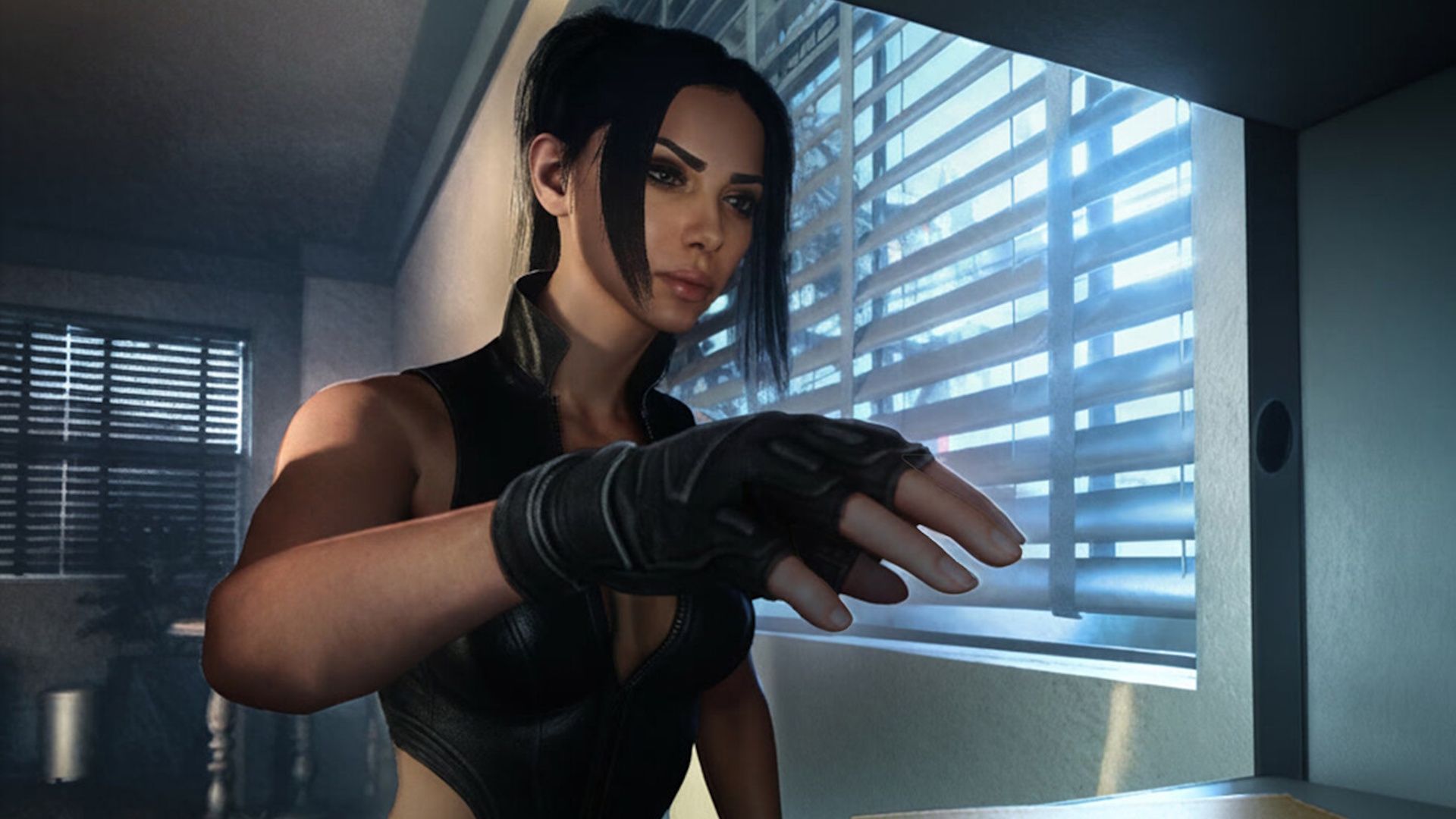
The gaming industry is in a constant state of evolution, with developers eagerly pushing the boundaries of storytelling and player engagement. However, not every attempt at innovation lands well, as seen in the recent release of the MindsEye mission from Build a Rocket Boy. This mission, which was expected to delve into the intriguing world of alleged game sabotage, has instead left players feeling underwhelmed and disconnected from the narrative. The stakes are high for developers today, where player expectations soar and any misstep can lead to significant backlash.
The MindsEye mission aimed to explore allegations of sabotage against Build a Rocket Boy, a noteworthy studio known for its creative ambitions. However, the execution of this mission has been met with mixed reviews, primarily focusing on its lackluster gameplay and uninspired narrative. Players had anticipated uncovering thrilling evidence of internal strife and sabotage, but the mission ultimately delivered little more than a series of mundane tasks devoid of excitement or engagement. This disconnect raises questions about the development process and the strategic decisions that led to such an uninspired outcome.
At its core, the failure of the MindsEye mission reflects broader trends within the gaming industry, particularly regarding player engagement and narrative depth. As more developers embrace complex storytelling and immersive experiences, a poorly executed mission can overshadow the hard work and creativity that goes into game development. This situation serves as a cautionary tale for studios to ensure that their ambitious narratives are matched with gameplay that captivates and holds players' attention.
CuraFeed Take: The disappointing reception of the MindsEye mission could have significant implications for Build a Rocket Boy's future projects. Players and industry analysts alike will be watching closely to see if the studio can rebound from this setback by refocusing its efforts on delivering engaging content that aligns with player expectations. If the studio fails to learn from this experience, it risks not only tarnishing its reputation but also alienating a growing fanbase that craves innovative and thrilling gaming experiences. Moving forward, it will be essential for Build a Rocket Boy to prioritize player feedback and invest in high-quality storytelling mechanics to ensure that its future titles resonate with the audience it seeks to engage.