The ongoing evolution of technology in game development has seen remarkable strides, especially with the rise of artificial intelligence. As game developers, designers, and technical artists, we remain at the forefront of implementing innovative solutions to enhance our projects. Yet, a recent poll conducted by PC Gamer unveiled that 47% of readers do not utilize AI technologies at all in their gaming experiences. This raises an intriguing question: are we, as developers, overlooking the potential of AI upscaling in our work?
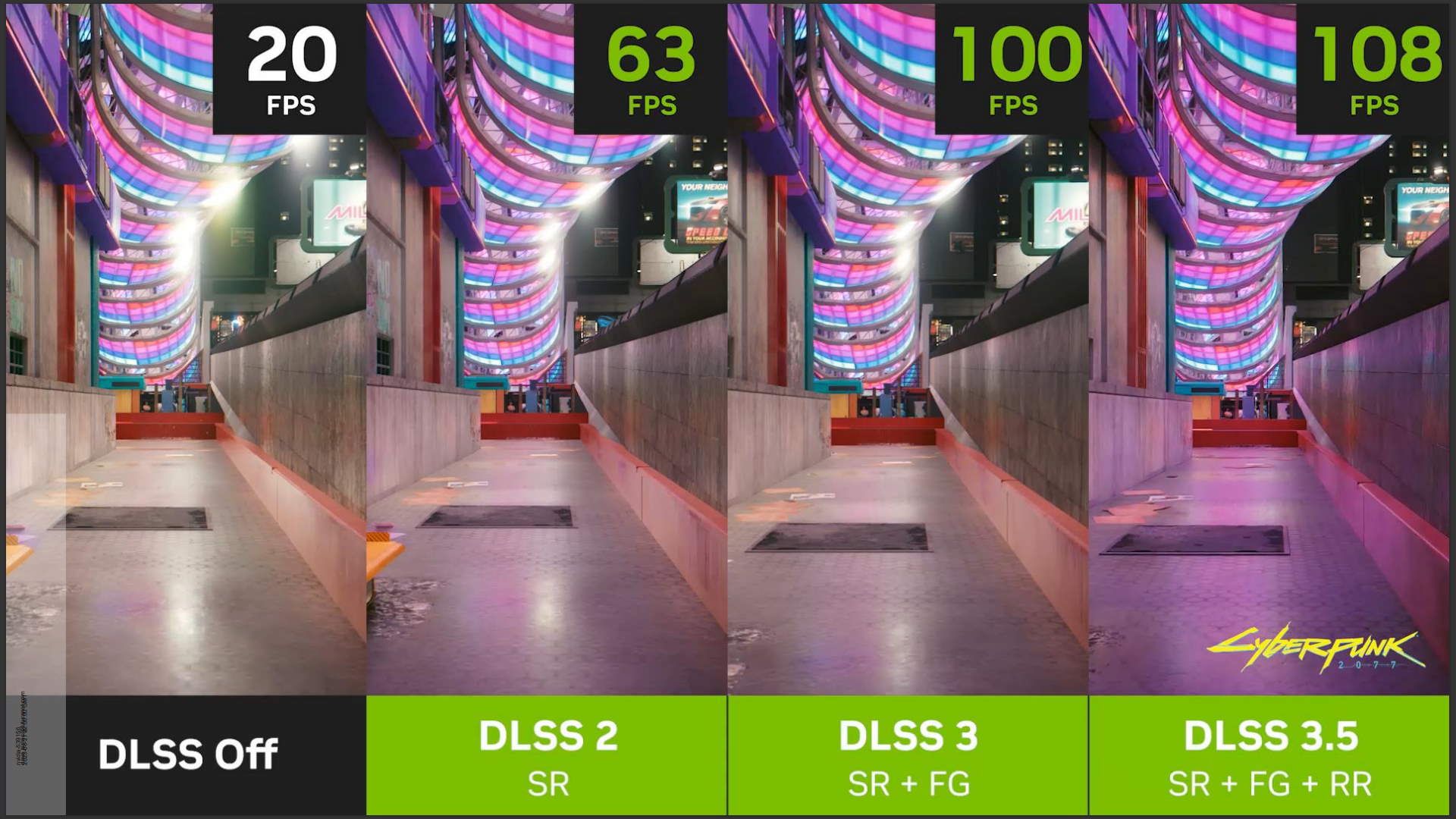
AI upscaling, particularly in the realm of texture and image enhancement, has emerged as a vital tool that can dramatically improve the visual fidelity of games without the need for extensive reworking of assets. Companies like NVIDIA have pioneered technologies like DLSS (Deep Learning Super Sampling) that leverage AI to upscale lower-resolution images in real-time, delivering sharp visuals while maintaining performance. Despite these advancements, the poll results suggest a disconnect, highlighting a potential hesitance within the development community to fully embrace these techniques.
Why is this the case? Several factors could be at play. For one, many developers may not have the necessary resources or knowledge to integrate AI solutions into their pipelines effectively. Others might be skeptical about the reliability of AI-driven enhancements, fearing that it could introduce artifacts or diminish the artistic vision of their projects. Moreover, the rapid pace of AI development means that staying updated on the latest tools and techniques can be overwhelming, leading to a reluctance to adopt what feels like a constantly shifting landscape.
In the broader context of the gaming industry, the reluctance to adopt AI solutions comes at a time when competition is fiercer than ever. As gamers demand higher graphical fidelity and smoother gameplay, developers are increasingly pushed to find ways to meet these expectations without inflating production costs. AI technologies offer a potential lifeline by enabling studios to optimize their workflows, reduce asset creation time, and deliver polished experiences. Ignoring these advancements could mean falling behind in an industry that thrives on innovation.
CuraFeed Take: The hesitation to embrace AI upscaling represents a missed opportunity for many developers. As we navigate these technological advancements, the key will be to find a balance between leveraging AI tools and preserving the artistic integrity of our games. Moving forward, it's crucial for developers to stay informed about the capabilities of AI in game development, test these technologies in their workflows, and share their experiences with the broader community. The future of gaming will likely hinge on those willing to take the plunge and explore the exciting possibilities that AI has to offer.